Best smart rings in Australia 2026: Oura, Samsung, RingConn
Australians buying a smart ring in 2026 are choosing between Oura's polished sleep tracking, Samsung's Galaxy fit and RingConn's lower-cost, no-subscription pitch.
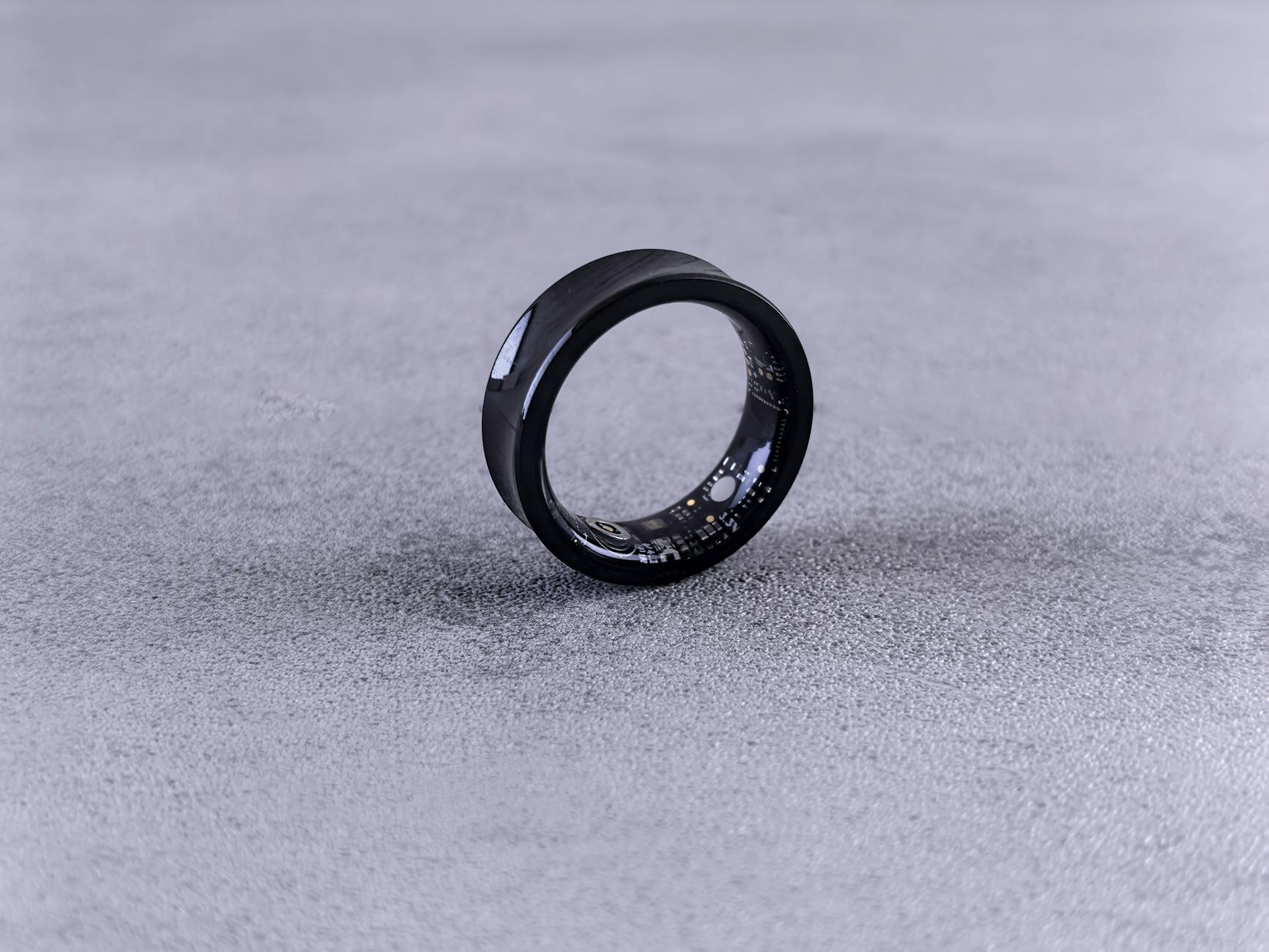
Australians shopping for a smart ring in 2026 now have three serious options rather than one default choice. The Oura Ring 4 remains the safest buy for sleep tracking because it pairs the strongest testing record with local retail access, even after its monthly membership fee is counted.
The Samsung Galaxy Ring suits Galaxy phone owners who want the neatest fit with hardware they already use. The RingConn Gen 2 Air is the value case: lower upfront cost, longer claimed battery life and no subscription, offset by the fact that Australians mostly buy it direct. For local shoppers, support, compatibility and ongoing cost matter more than a long list of sensor claims.
Wareable’s Conor Allison argued the category has moved beyond novelty.
“The market boomed last year”
— Conor Allison, Wareable
That shift has produced a cleaner split in the market. Oura remains the benchmark for sleep tracking, Samsung is the obvious pick for Galaxy users, and RingConn is the cheaper way into the category. PCMag Australia still places Oura at the top of the field.
“the best smart ring we’ve tested”
— Andrew Gebhart, PCMag
Ring
Best for
Price
Battery claim
Subscription
AU buying route
Oura Ring 4
Best overall sleep tracking
$569
Up to 8 days
$9.99 a month
JB Hi-Fi
Samsung Galaxy Ring
Best for Galaxy phone owners
$699
—
None
Samsung Australia
RingConn Gen 2 Air
Best value
$US199 (about $310)
Up to 10 days
None
RingConn direct
If sleep tracking quality matters most, Oura is still the safest buy
Oura still leads because it feels like the least risky purchase for an Australian buyer who wants a ring, not another gadget to juggle beside a watch.

At $569 through JB Hi-Fi, the Oura Ring 4 is already a premium purchase before buyers add the brand’s $9.99 monthly membership. That fee is the main reason some shoppers will stop their comparison here. Oura only makes sense as the best ring in this group if its sleep and recovery data become part of a routine rather than a curiosity that fades after a few weeks.
Local availability is the counterweight. Australians can buy Oura through a major retailer, which matters in a category where sizing, returns and warranty questions still feel less settled than they do for watches or phones. PCMag Australia and Wareable both continue to treat Oura as the ring to beat, and no rival closes every gap at once. Samsung offers a better fit for one type of buyer. RingConn cuts the ongoing cost. Neither has replaced Oura as the default recommendation for shoppers who mainly want dependable overnight tracking.
That is the calculation with Oura. Buyers who dislike app subscriptions will rule it out quickly. Buyers who care more about polished sleep data, trend lines and retail certainty are still the ones most likely to accept the higher long-term cost.
Samsung and RingConn split the rest of the market for different reasons
Samsung’s Galaxy Ring and RingConn’s Gen 2 Air may sit in the same shortlist, but they solve different complaints about Oura.

Samsung’s case starts with convenience. At $699 in Australia, it is the most expensive ring here on sticker price, but it avoids the monthly fee that follows Oura. That matters most for buyers who already use a Galaxy phone and want the ring to sit neatly inside the same Samsung setup. TechRadar and Wareable both frame Samsung as Oura’s closest mainstream rival for that reason.
RingConn makes a different case. The RingConn Gen 2 Air starts at $US199 (about $310), claims up to 10 days of battery life and avoids a subscription. On paper, that makes it the simplest product here to recommend on value. A buyer who wants readable sleep data, low charging friction and no monthly bill can explain the purchase quickly.
Support is the catch. Australians can buy Samsung locally and pick up Oura through JB Hi-Fi, but RingConn remains a direct-order product for most shoppers here. Some will accept that without hesitation. Others will treat it as the hidden cost of the cheapest ring in the comparison. Lower price and better claimed battery life matter, but they do not fully replace local retail confidence.
Which smart ring should Australians actually buy?
For most shoppers, the answer remains Oura Ring 4. It is still the most complete package, and that matters more in a device meant to disappear into a nightly routine than it does in a smartwatch that demands regular interaction.
Choose the Samsung Galaxy Ring if you already use Samsung hardware and want the cleanest fit without taking on another monthly fee.
Choose the RingConn Gen 2 Air if upfront price and battery life matter more than retail polish, and if buying direct does not bother you.
For Australian buyers, that is the category in 2026. Smart rings no longer look like a novelty with one obvious brand and a few fringe alternatives. They now look like a normal consumer-tech segment with a premium leader, a platform-specific rival and a cheaper challenger. The choice is still about compromise, but it is now a familiar one: pay more for the most polished option, buy for platform fit, or save money and accept rougher support.

Pip Sanderson
Reviews editor on phones, wearables, and the gear that lands in Australian shops. Reports from Melbourne.