Google wants app prototyping to start in AI Studio, not Android Studio
Google's new AI Studio workflow lets non-specialists spin up native Android prototypes in minutes, but the larger play is control of the path from prompt to Play.

Google has turned AI Studio into a browser tool that can generate native Android apps from a prompt, pulling the first stage of mobile development into the same Gemini workflow it has been pushing across I/O 2026. For small product teams, students and founders trying to test an idea quickly, the appeal is plain: a working prototype can appear before Android Studio is even open.
At launch, Google said the new flow removes the setup work that used to fence non-specialists out of native app development.
No software to install, no SDKs to manage and no local environment needed.
— Google AI Studio blog
Sceptics, though, hit the limit quickly. Google is lowering the entry cost of building a simple Android tool, not removing the hard parts of shipping one. Play review standards still apply, security and performance work still sit with humans, and the first release is deliberately narrow. Google is not promising a universal app generator. It is promising a faster first draft.
Taken together, the launch looks less like a gimmick than a platform move. Google wants the first mile of Android development to begin in AI Studio, hand off to Android Studio when the project needs real engineering, and then feed into a discovery layer where Gemini and Google Play decide which apps users see. The company is trying to own more of the path from idea to install.
Google is moving the first draft of Android code into the browser
AI Studio writing code is not the novelty here. Plenty of tools can already do that. What Google has done is wrap code generation, preview and on-device testing inside a browser workflow built specifically for Android, then connect the result to its own IDE when the prototype outgrows the prompt box. A hands-on test from The Verge suggested the prompt-to-app path works well enough to make a first Android utility feel plausible, not theoretical.
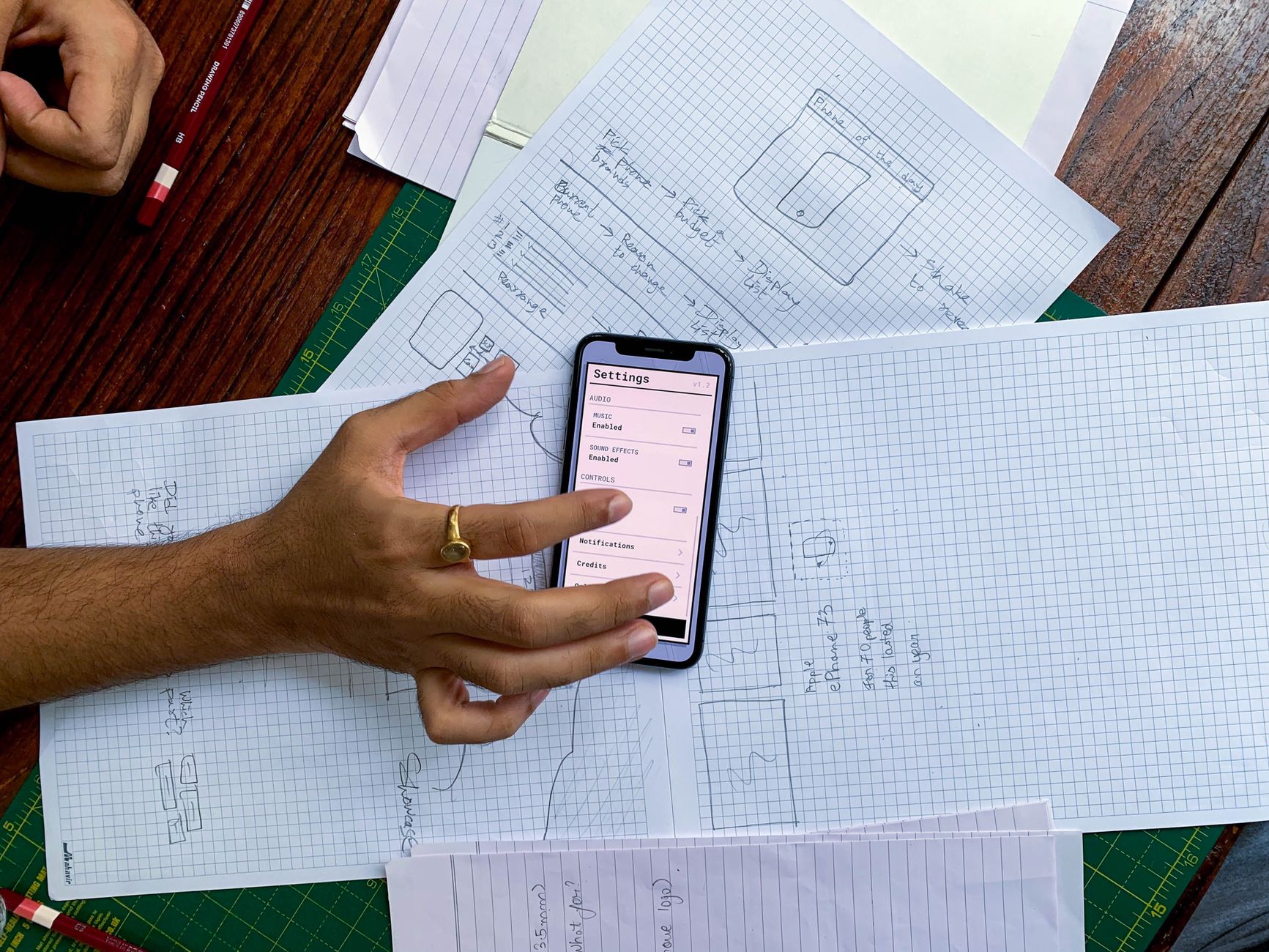
Even so, Google is keeping the scope tight. Its own material frames the feature around utility, hardware-enabled and Gemini-powered apps, not every possible category on the Play Store. That keeps expectations in check, but it also points to the product strategy. Google is widening the top of the funnel for creators while steering them towards the kinds of apps that best show off Gemini, Android hardware features and Google Cloud.
Cost helps that pitch. Google said new builders can deploy their first two apps to Google Cloud at no cost, reducing the price of testing a rough mobile idea before a team commits engineering time. For Australian startups and internal enterprise teams, that is the practical attraction. The tool does not need to replace a professional Android engineer to matter. It only needs to make the first prototype cheap enough that more ideas get tested.
The company made that audience shift explicit.
Native Android development once required a high-performance computer and deep technical knowledge. Now, with AI Studio, you can go from prompt to fully native Android app on your own device in minutes.
— Google AI Studio blog
None of that means the output is ready to ship unchanged. It means Google wants the first sketch of an app to be conversational, fast and native to its own stack.
The bigger play is discovery as well as development
Seen through that lens, Google did not launch this feature in isolation. The app builder arrived alongside the Android CLI for agentic development, broader Gemini coding claims and new ways for users to find apps through Gemini and Play. That bundle matters more than the browser demo on its own because it points to a platform loop: generate the prototype in AI Studio, refine it in Android Studio, then rely on Google’s app surfaces to distribute it.

Competition is the other reason the launch matters. AI-assisted coding has already spread through tools such as Cursor, Replit, Claude Code and OpenAI’s Codex mobile workflow. If Google left Android creation to third-party tools, it would risk letting the most important part of the developer relationship start somewhere else. By moving app prototyping into AI Studio, Google keeps the prompt, the model and the platform inside its own walls.
Beyond developers, the same logic extends to discovery. TechCrunch reported that Gemini will later surface films and television titles and route users into relevant apps, drawing from a catalogue of more than 450,000 titles. That is not merely an app-builder feature. It is Google using Gemini to mediate how software is found, recommended and opened. For any company building consumer Android services, the strategic question becomes larger than whether AI can write boilerplate code. It becomes whether Google is positioning Gemini as the operating layer between user intent and app distribution.
For Australian developers, the effect may arrive before full adoption of Google’s tooling stack. If the early product brief, prototype and discovery path all start to flow through Google’s AI layer, the centre of gravity for Android product work shifts even when the final app still requires conventional engineering.
The limit is still review, maintenance and trust
For users, the grounded view is simpler: yes, a newcomer may be able to build a working Android tool faster than before, but only if the project stays within the lane Google has prepared. Once an app needs durable state, privacy controls, ongoing updates or complex integrations, the old engineering constraints return. The app may begin in a prompt, but it does not end there.
On one point, Google has been unusually direct. Speaking to The Verge, spokesperson Mia Carter said the company would not loosen its gatekeeping for AI-generated apps.
App quality continues to be a top priority to Google Play and we will not be changing any of our review processes and standards.
— Mia Carter, Google spokesperson
That answer is only partial, but it is clear enough. Google may be willing to automate the path to a first build, but it is not waiving the policy, quality and maintainability tests that decide whether an app belongs on Play.
Read plainly, the announcement is not the end of Android development as a specialist discipline. It is the start of a new funnel. Google is trying to make app ideas cheaper to express, earlier to test and harder to separate from Gemini, Android Studio and Play. That is a sensible move in an AI-coding market where every vendor wants to own the first prompt. The contest is no longer just about who writes code fastest. It is about who controls the route from prototype to platform.

Asha Iyer
AI editor covering the model wars, AU enterprise adoption, and the policy shaping both. Reports from Sydney.