SandboxAQ $US500m grant targets chipmaking materials
SandboxAQ's $US500m CHIPS award funds AI-led searches for chipmaking materials, showing the US is targeting supply-chain inputs as well as fabs.
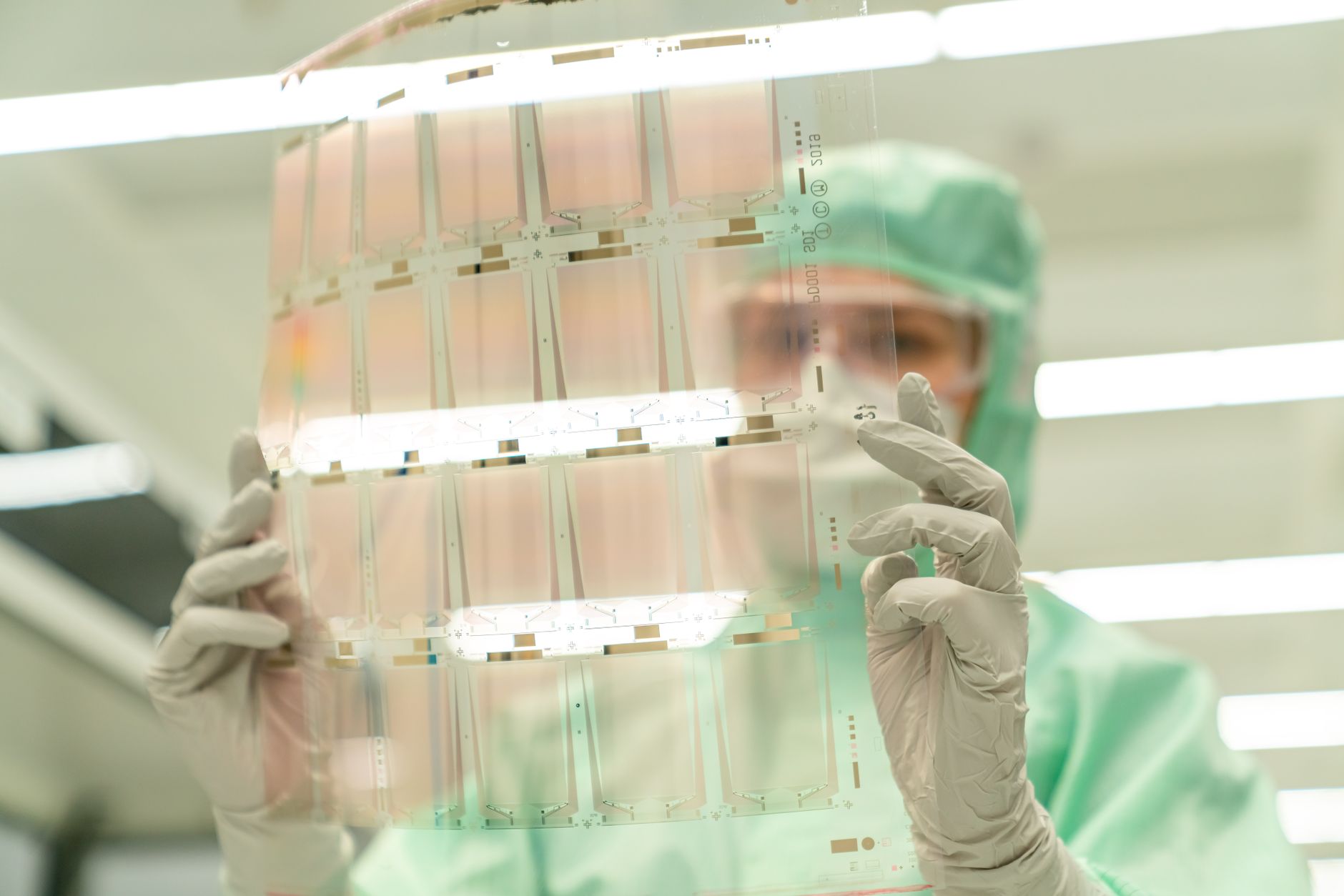
The US Commerce Department has finalised a $US500 million CHIPS R&D award with SandboxAQ to speed the search for chipmaking materials. Announced on 17 June, the agreement puts federal semiconductor funding behind AI-led work on substances used in semiconductors, magnets, catalysts and batteries.
Washington’s semiconductor programme has mostly been framed around fabs, packaging plants and export controls. This deal moves a smaller but important part of that effort upstream, to the point where new compounds are identified before shortages or performance limits reach a factory floor.
NIST said the work will cover PFAS replacements for semiconductor manufacturing, catalyst materials, rare-earth-free permanent magnets and battery chemistries. It also said China controls more than 90 per cent of global production of neodymium-based permanent magnets, a concentration that has pulled materials supply into the chip-policy debate.
The grant puts a chemistry problem inside the AI build-out.
This award will accelerate the discovery and innovation of critical materials and reduce our reliance on foreign-controlled materials.
Howard Lutnick, US Commerce Secretary, in the Commerce Department announcement
Officials are not subsidising a new production line. The department is backing a workflow in which AI models screen candidate materials before they move into laboratory testing, with the aim of shortening the path from research to manufacturing use.
Put more simply, the money buys faster searching rather than extra clean-room capacity. That makes it a different kind of semiconductor grant, built around iteration in chemistry and physics.
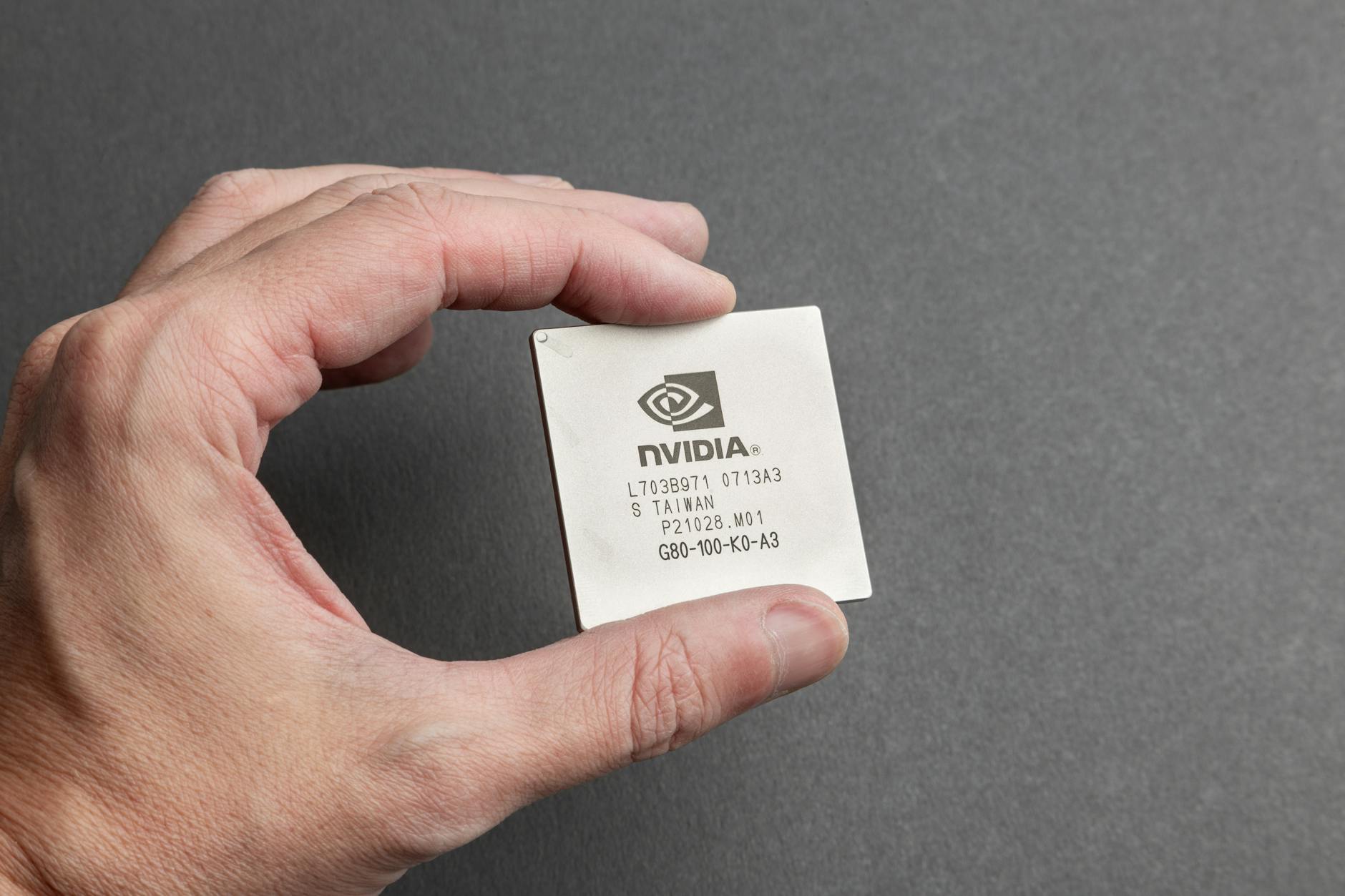
Reuters reported that SandboxAQ was valued at $US5.75 billion, about $8.8 billion, in April 2025 and has raised more than $US1 billion, about $1.5 billion, from investors including Nvidia. Chief executive Jack Hidary told Reuters the award does not change control of the company: it brings in funding, while voting rights and board seats stay with existing shareholders and directors.
Why materials are the next choke point
Advanced processors are one constraint for AI infrastructure groups. The mix of substances used to make, cool and power them is another. A grant aimed at PFAS substitutes and rare-earth-free magnets suggests US officials see materials science as part of the same supply-chain contest that has already reshaped subsidies for fabrication plants, export rules and packaging capacity.
The four target areas point to a familiar policy concern. Washington wants more control over industrial inputs that sit behind semiconductors and energy systems, especially where a small number of suppliers or countries hold leverage. That makes the SandboxAQ deal a materials-security play as well as an AI one.
It also stretches the working definition of chip policy. Rather than waiting for a shortage to slow production, the Commerce Department is directing money to the discovery stage, where AI systems can sift through large sets of possible compounds and send candidates to researchers for testing. One of the next gains in chipmaking may come from better materials, not only smaller process nodes.
What SandboxAQ brings
For SandboxAQ, the agreement gives the company a prominent industrial use case at a time when AI groups are under pressure to show value outside chatbots and coding tools. Its argument is that models trained on chemistry and physics data can narrow the search for compounds that are safer, cheaper or easier to manufacture at scale, especially where laboratory work is slow and expensive.
Nvidia’s place on the cap table matters less as a governance point than as a signal about where private AI capital is looking. Investors have spent the past two years funding chips, data centres and model infrastructure. This grant suggests the competition also reaches into the scientific inputs that determine how those systems are built.
Washington is still backing fabs, but this award shows part of the AI race has moved further upstream into materials and research workflows. It gives Nvidia-backed SandboxAQ a large federal mandate and links AI funding more tightly to the less visible inputs that shape how chips get made.

Soren Chau
Enterprise editor covering AWS, Azure, and GCP in the AU region, plus the SaaS shaping local IT. Reports from Sydney.