Standard Chartered AI job cuts: 7,800 roles by 2030
Standard Chartered will remove about 7,800 back-office roles by 2030 as it expands automation and AI, with some affected staff flagged for redeployment.
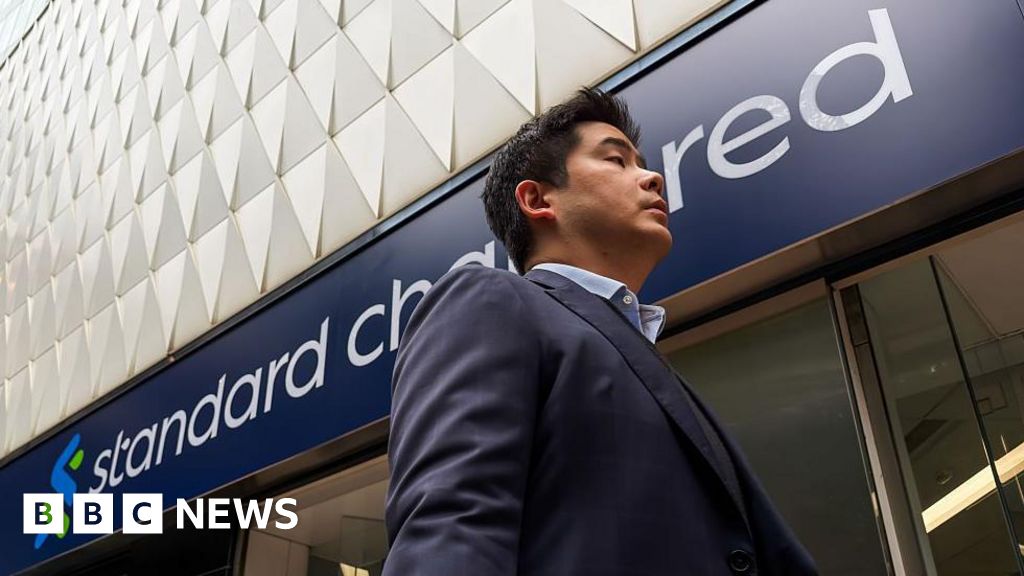
Standard Chartered will remove about 7,800 back-office roles by 2030 as it expands automation and artificial intelligence across the bank, BBC News reported, citing the lender’s investor-day materials. The cuts represent roughly 15 per cent of corporate-function roles, The Guardian said, with the bank signalling some affected staff would be redeployed rather than made redundant.
Filing the plan at an investor day puts one of the world’s largest cross-border lenders on a public clock for AI-led workforce reductions. Standard Chartered said it was pursuing a growth plan centred on simpler operations and faster decision-making, with automation built into the redesign rather than bolted on afterwards.
In its statement, the bank cast AI as ordinary business infrastructure.
“We are scaling practical uses of automation, advanced analytics and artificial intelligence to streamline processes, improve decision‑making and enhance both client service and internal efficiency.”
— Standard Chartered, investor event statement
Group chief executive Bill Winters framed the shift publicly as a spending decision, not a redundancy round.
“It’s not cost-cutting. It’s replacing in some cases lower-value human capital with the financial capital and the investment capital we’re putting in.”
— Bill Winters, via The Guardian
Workforce numbers give the plan its scale. BBC News reported the bank would cut about 7,800 roles by the end of the decade. The Guardian’s reporting put Standard Chartered’s total headcount at about 82,000, with more than 52,000 in back-office positions — a breakdown that makes clear where management expects the cuts to land.
Winters’ framing is that software and automation will absorb work that once sat in support functions, while client service stays intact and some staff move into different roles. That is a narrower claim than AI replacing teams wholesale, but it still amounts to a multi-year rewrite of how the bank operates internally.
Beyond one lender, the implications are straightforward. Banks have been automating compliance, operations and support for years, though job impacts have tended to be described in generalities. BBC News noted that Morgan Stanley has warned AI poses a risk to banking jobs in Europe. Standard Chartered’s announcement turns that concern into a specific number with a deadline.
For enterprise technology buyers, the signal is that AI spending inside large organisations is being tied directly to workflow redesign. Buying the software is the easy part. The harder work sits in changing review processes, handing routine tasks to automated systems and working out which roles still need a person in the loop.
A 2030 deadline gives the bank room to lean on attrition and incremental process changes rather than a single round of redundancies. But making the number public gives staff, investors and regulators a concrete measure for whether the lender’s AI investment is actually reshaping its cost base — not just being talked about.
Standard Chartered said employees would be redeployed as the programme unfolds. Even with that caveat, the plan puts down a marker: senior management expects automation to reshape office work through the rest of the decade.

Soren Chau
Enterprise editor covering AWS, Azure, and GCP in the AU region, plus the SaaS shaping local IT. Reports from Sydney.