OpenAI Broadcom Jalapeño chip targets lower AI costs
OpenAI's Broadcom-designed Jalapeño chip targets lower inference costs and less dependence on Nvidia as deployment begins in late 2026.
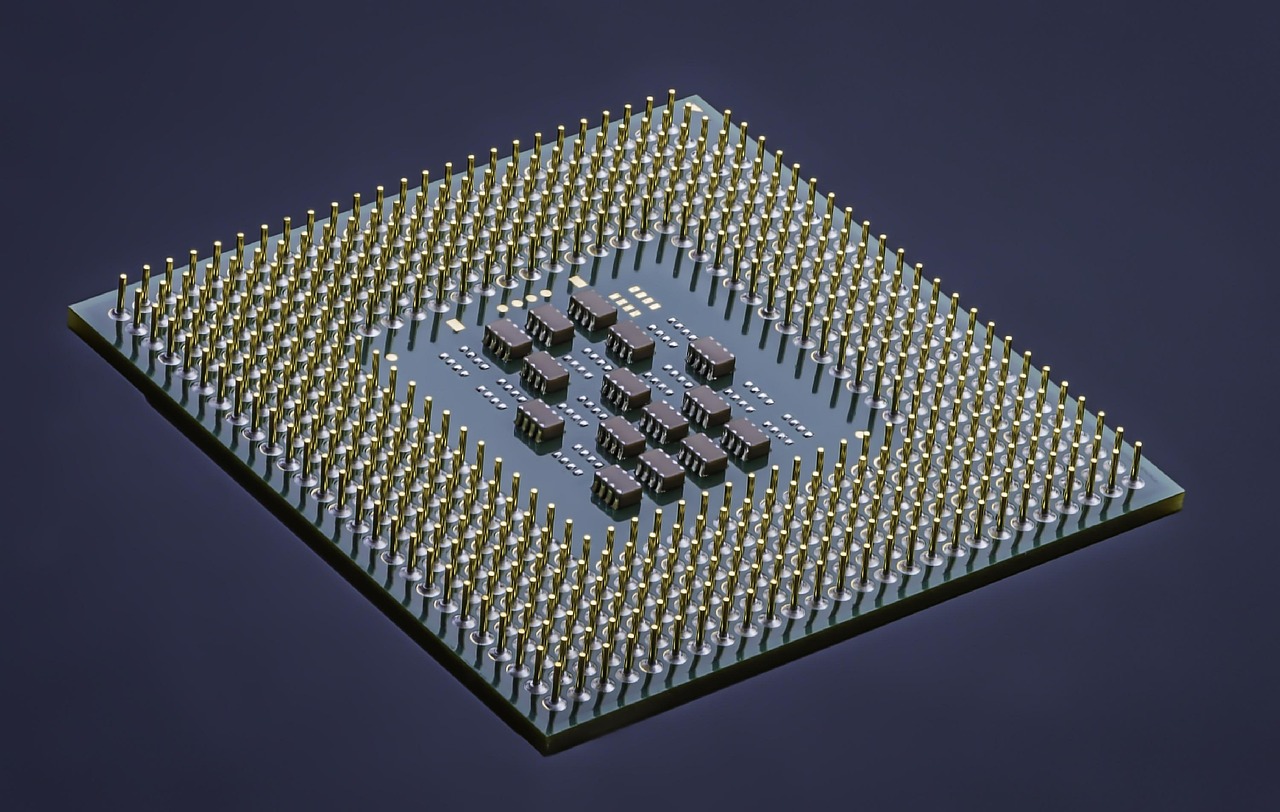
OpenAI on Tuesday unveiled Jalapeño, its first custom inference chip designed with Broadcom, giving the ChatGPT maker a deeper hold on the hardware behind its models. OpenAI said the part is built for large language model inference, where systems answer user prompts, as the company works to cut serving costs and reduce its reliance on Nvidia accelerators.
The launch moves OpenAI beyond its familiar role as a major buyer of compute. For the past two years, rising ChatGPT demand has tied the company to cloud partners, scarce GPU supply and the economics of running models at huge scale. Jalapeño gives it one more lever over that bill.
According to OpenAI, the chip moved from design to tape-out in nine months and is due for initial deployment by the end of 2026. It was designed with gigawatt-scale infrastructure in mind, the company said. Greg Brockman, OpenAI’s president, described the work as part of a push to build more of OpenAI’s own stack.
“By designing more of the stack ourselves, we can serve more intelligence with greater efficiency and keep pushing advanced AI toward broader access.”
Greg Brockman, OpenAI
Why the chip matters
Inference is the repeat cost of AI. Training a model can cost billions, but every ChatGPT reply, coding-agent step or enterprise API call also consumes capacity after the model is released. Custom silicon lets OpenAI tune hardware around its own traffic patterns, instead of taking whatever a general-purpose supplier roadmap delivers.
A late-2026 deployment places Jalapeño in the current race to make advanced models cheaper to run. That race is increasingly commercial. OpenAI now sells chat, coding and enterprise tools, and each product depends on a steady supply of affordable compute.
Reuters reported that the chip had been tested in the lab against OpenAI’s GPT-5.3-Codex-Spark workload. Richard Ho, OpenAI’s hardware head, told Reuters the company expected the design to carry across later model generations, which suggests Jalapeño is being treated as a platform component rather than a narrow test.
“It will be performant on, we think, all kind of future iterations of LLMs.”
Richard Ho, Reuters interview on 24 June 2026
Broadcom’s role will be watched by cloud buyers and rivals trying to loosen Nvidia’s grip on AI infrastructure. CNBC reported that Broadcom chief executive Hock Tan described demand for this kind of infrastructure as larger than any single supplier can meet. That is a supply-chain point as much as a sales pitch.
Jalapeño is still inference silicon, not a full replacement for the GPU ecosystem that dominates AI build-outs. But it shows where the contest is moving. Model quality still matters; so does the path from chip design to data centre rack to the service a customer actually uses.
For Australian enterprises using OpenAI’s tools through cloud platforms or APIs, the hardware shift may be felt indirectly through capacity, latency and pricing rather than through a chip they can buy. That makes Jalapeño a back-end story, but not a small one.

Asha Iyer
AI editor covering the model wars, AU enterprise adoption, and the policy shaping both. Reports from Sydney.